


St Mark's Basilica, St Mark's Square, Venice
St Mark’s Basilica
Venice, Italy

Originally the Doge of Venice’s private chapel, it became Venice cathedral in 1807
View the 11th century golden Basilica of Saint Mark, a status symbol of Venetian wealth and power

About St Mark’s Basilica
History of the Basilica of San Marco
St Mark’s Basilica structure dates back to the later part of the 11th century.
The gold mosaics that now cover almost all the upper areas of the interior (covering an area of about 8000 square meters) took centuries to complete.
Many of its rich artifacts and relics were plundered from Constantinople in the Fourth Crusade in 1204, including many artifacts from the Hagia Sophia.
Visiting St Mark’s Basilica
Useful Information
Location/Waterbus
Vaporetto Line 1 / Line 2 / For others see our vaporetto timetables
Buy vaporetto waterbus tickets | View timetables, routes & maps
Waterbus stop: S. Marco (Vallaresso)/S. Marco Giardinetti / S. Marco – S. Zaccaria
Opening Times
Monday to Saturday: 9.30am-5:15pm
Sundays and Bank Holidays: 2pm-5:15pm.
Tickets & Tours
Tickets: St Mark’s Basilica lines can be long at peak times. Book a ticket in advance to save time
St. Mark’s Basilica & Doge’s Palace Tour with Ticket
Guided Tours of St Mark’s Basilica / Skip-the-line Basilica & Doge’s Palace Guided Tour
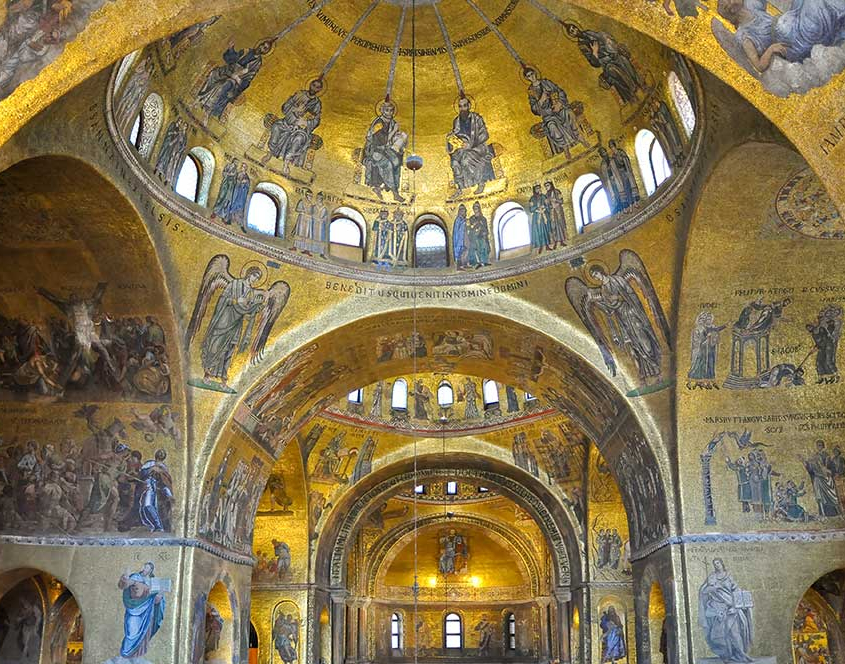
Power of Venice
The Basilica was a status symbol, showing everyone who visited the power of Venice and it’s wealth. It is also, appropriately, named the Church of Gold.
Exotic Decoration
The Basilica has a feeling of exoticism. This comes from the variety of influences on the decoration including the Venetian style of the Renaissance Art.
The Basilica’s Story
St. Mark’s Basilica was originally constructed in 828 AD to house the relics of St. Mark the Evangelist, which, according to tradition, were smuggled out of Alexandria, Egypt, by two Venetian merchants and brought to Venice hidden in a barrel of pork to evade Muslim customs officers.
Fourth Crusade
Over the centuries, the Basilica has undergone numerous enhancements, often incorporating elements looted during the Fourth Crusade, including the famous Triumphal Quadriga (the four bronze horses) from Constantinople, now displayed inside the basilica, with replicas placed on the exterior.
Powered by GetYourGuide
Architectural Marvel
St. Mark’s is a stunning blend of Byzantine, Romanesque, and Gothic styles, reflecting Venice’s position at the crossroads of East and West. Its five domes and Greek cross layout are classic features of Byzantine church design, while Gothic and Renaissance elements were added during later renovations.
Opulent Mosaics
The basilica’s most distinctive feature is its opulent mosaics, covering over 8,000 square meters and made with real gold leaf, colored glass, and precious stones. These mosaics, many dating from the 11th to 13th centuries, depict biblical scenes, saints, and episodes from St. Mark’s life, creating a dazzling visual narrative.
The basilica’s floor is a mosaic in itself—made of intricate marble inlays that have been warped over centuries by Venice’s shifting foundations, giving it a rippling, almost aquatic appearance, perfectly in tune with the floating city.
Powered by GetYourGuide
What to see in St Mark’s Basilica

Pala d’Oro
Ornate, decorated, altarpiece in the Basilica of San Marco
The Pala d’Oro is the high altar retable of the Basilica di San Marco in Venice. It is universally recognized as one of the most refined and accomplished works of Byzantine enamel, with both front and rear sides decorated. It was first commissioned in the year 976.
Precious Jewels
Like the mosaics in the Basilica itself, the golden Pala d’Oro is covered in 1,300 pearls, 300 emeralds, 300 sapphires, 400 garnets, 100 amethysts, rubies, and topaz.
Image by: Zairon, CC BY-SA 4.0, via Wikimedia Commons

St Mark’s Tomb
Where Saint Mark is said to have been buried (828AD) in Basilica San Marco. The corpse was stolen and smuggled all the way from Egypt by Venetian merchants. The primary intention of building the Basilica was to house a tomb for St Mark.
Saint Mark’s tomb, one of Christianity’s four Evangelists, is decorated with bronze and marble statues.
There’s some debate over whether it is St Mark in the tomb or Alexander the Great.
Image by: original photo amberapparently from Sydney, cropped and straightened Venicescapes, Public domain, via Wikimedia Commons

St Mark’s Museum
View the bronze horses, the gold ceiling mosaic tiles, the silk and silver tapestries and take in the view of St Mark’s Square from the terrace and a variety of Gothic and Byzantine manuscripts, artifacts, and liturgical objects.
St. Mark’s Museum houses a diverse array of items, both art and artifacts mainly from Constantinople during the Fourth Crusade.
Image by: Zairon, Public domain, via Wikimedia Commons

Treasury of St Mark’s Basilica
A wonderful collection of precious objects such as Byzantine enamels, chalices, bowls, and more – many taken from the churches and palaces of Constantinople during the Fourth Crusade in 1204
The Byzantine works of art in metalwork, enamel and hardstone carving constitute the most important part of the treasury.
There are also numerous Islamic works of art held in the collection, including a rare relief-cut turquoise glass bowl. This bowl was made in Iran or Iraq between the 9th and 10th centuries.
The Treasure is divided into four sections:
Objects from Antiquity and the Early Middle Ages, Objects by Byzantine goldsmiths dating to the centuries around the year 1000, Objects of Islamic art (9th – 10th century), and objects of western origin.
Admission to the Basilica
You can freely enter the Basilica for prayers, Mass and Services from the Porta dei Fiori (Piazzetta dei Leoncini – North-Side).
Entrance €3. Pala d’Oro (supplement: €5). Museum – Loggia dei Cavalli (supplement:€7). Reduced (0-6 yrs old) Free
Skip the line tours, private tours and the after hours tours can often be a great way to avoid waiting a long time to enter the Basilica while giving you access to parts you may not otherwise be able to view (see below or the tours and tickets page).
Powered by GetYourGuide
Powered by GetYourGuide
GENERAL INFORMATION
WATER BUS STOP
San Marco (Vallaresso) – 5 mins
San Marco Giardinetti – 5 mins
San Marco – San Zaccaria – 7 mins
WALKING FROM
Rialto Bridge, 10 minutes
Ferrovia (train station), 30 minutes
*All times approximate
OPENING TIMES
Monday to Saturday 9.30am-5:15pm (last entry 4:45pm)
Sundays and Bank Holidays: 2pm-5:15pm
Hotels Nearby
SAN MARCO, VENICE
Link to: Hotel Danieli

Hotel Danieli *****
5 star luxury near St Mark’s Square
Link to: Albergo Cavalletto

Hotel Cavalletto ****
Four star hotel one minute from St Mark’s Square
Link to: Hotel Londra Palace

Londra Palace *****
Five star hotel 400 meters from the Doge’s Palace
Nearby Venice Attractions
Link to: Doge’s Palace

Doge’s Palace
One of the main landmarks in Venice
Link to: St Mark’s Clocktower

St Mark’s Clock Tower
The famous clock tower of St Mark’s Square
Link to: Historic Cafes

Historic Cafes
Caffè Florian & Gran Caffè Quadri
Link to: Bridge of Sighs Venice

Bridge of Sighs
One of the world’s most famous bridges
Link to: St Mark’s Basilica

Marciana Library
One of the earliest public libraries
Link to: Piazzetta di San Marco

Piazzetta San Marco
Where once the death penalty was carried out
Link to: Doge’s Palace
Doge’s Palace
One of the main landmarks in Venice
Link to: St Mark’s Clocktower
St Mark’s Clock Tower
The famous clock tower of St Mark’s Square
Link to: Historic Cafes
Historic Cafes
Caffè Florian & Gran Caffè Quadri
Link to: Bridge of Sighs Venice
Bridge of Sighs
One of the world’s most famous bridges
Basilica Tours & Tickets
ST MARK’S SQUARE MAP
With Visitor Attractions Place Markers

VENICE ATTRACTIONS
Things to See & Do in Venice

San Marco Attractions
For an overview of the area view the main page: San Marco
St Mark’s Square
St Mark’s Basilica
St Mark’s Clocktower
St Mark’s Campanile
Doge’s Palace
Piazzetta Di San Marco
Historic Cafes
Museo Correr
Marciana Library
National Archaeological Museum
Olivetti Museum
Bridge Of Sighs
Church Of Santo Stefano
Church Of San Salvatore
Church Of San Moise
Palazzo Grassi
Palazzo Contarini Del Bovolo
Palace Gardens
Music Museum
La Fenice
Harry’s Bar
Fortuny Palace
Fondaco Tedeschi

Santa Croce Attractions
For an overview of the area view the main page: Santa Croce
Natural History Museum
Papadopoli Gardens
Church Of San Nicola Da Tolentino
San Stae Church
Palazzo Mocenigo
San Giacomo Dell’Orio
Ca’ Pesaro
Cannaregio Attractions
For an overview of the area view the main page: Cannaregio
Ca D’oro
Campo Dei Mori
Casino Di Venezia
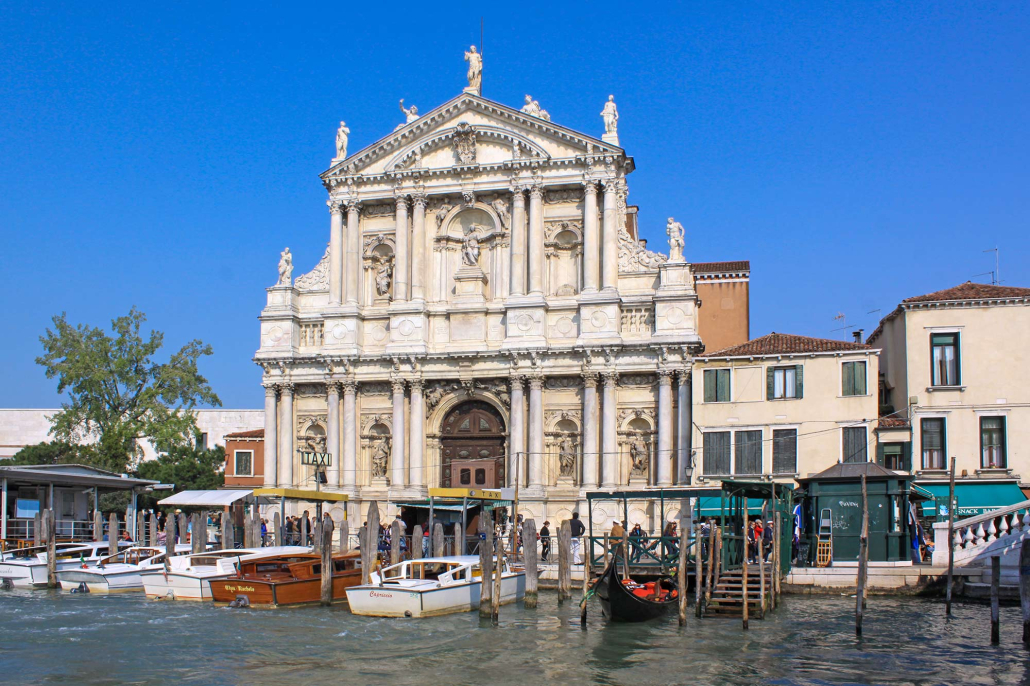
Chiesa Degli Scalzi
Color Library
Madonna Dell’Orto
Marco Polo House
Oratorio Dei Crociferi
Wagner Museum
Venice Ghetto
Santi Apostoli
Scuola Grande Della Misericordia
Santa Maria Dei Miracoli

San Polo Attractions
For an overview of the area view the main page: San Polo
Rialto Bridge
Rialto Markets
Campo San Polo
Church Of San Polo
Scuola Grande Di San Rocco
San Giacomo Di Rialto
Santa Maria Gloriosa Dei Frari
Scuola Grande San Giovanni Evangelista
Castello Attractions
For an overview of the area view the main page: Castello
Aqua Alta Bookshop
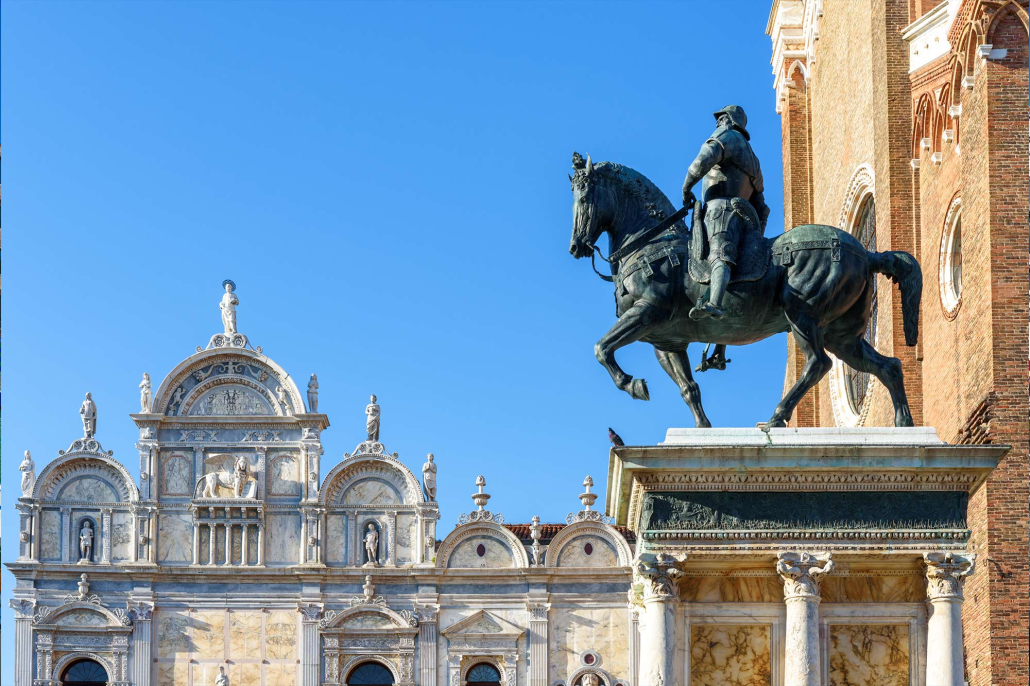
Scuola Grande Di San Marco
Basilica Dei Santi Giovanni E Paolo
Church Of San Zaccaria
Marinaressa Gardens
Naval Museum
Venice Arsenale
Palazzo Grimani
Riva Degli Schiavoni
Riva Dei Sette Martiri
San Francesco Della Vigna
San Giovanni In Bragora
Santa Maria Della Pieta
Biennale & Giardini
Querini Stampalia
Dorsoduro Attractions
For an overview of the area view the main page: Dorsoduro
Ca’ Rezzonico
Fondamenta Delle Zattere
Gallerie Dell Accademia
Palazzo Cini
Peggy Guggenheim Collection
Ponte Dei Pugni
Punta Della Dogana
San Barnaba
San Pantalon
San Sebastiano
Santa Maria Della Salute
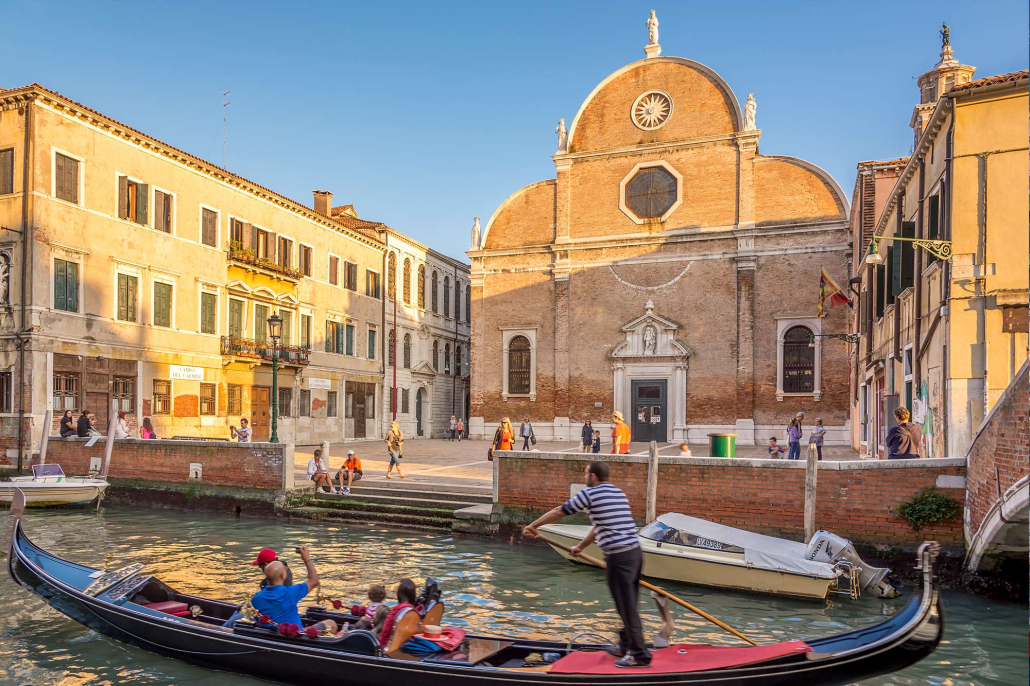
Scuola Grande Dei Carmini
Giudecca
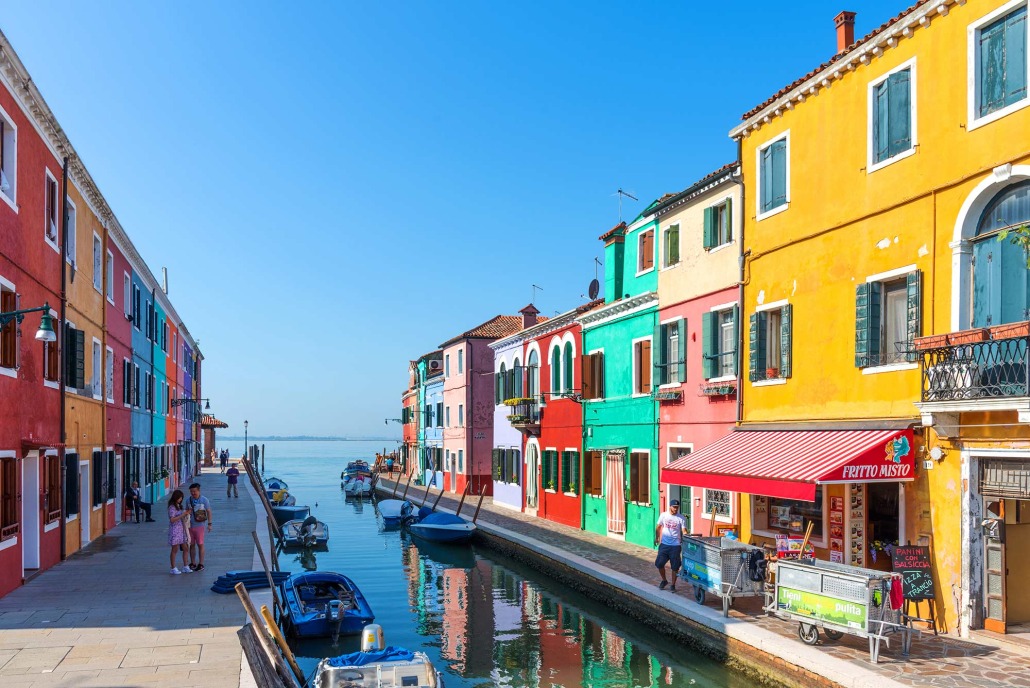
Venice Lagoon Islands
For an overview of the area view the main page: Venice Lagoon Islands
Murano
Burano
La Vignole
Lido Di Venezia
Mazzorbo
San Francesco Del Deserto
San Lazzaro degli Armeni
San Servolo
Sant’Erasmo
San Michele
Lazzaretto Nuovo
Torcello
Chioggia